
Installation
Install the plugin, add one line to vite.config.ts, and register the ambient
types. If you have never used the plugin, follow the tutorial instead; it
includes these steps.
Install
Section titled “Install”npm i -D @oddsquad/vite-plugin-litpnpm add -D @oddsquad/vite-plugin-lityarn add -D @oddsquad/vite-plugin-litbun add -d @oddsquad/vite-plugin-litLit and Vite stay your dependencies. Compatibility lists the versions each release supports and the one dev mode it does not.
Add it to Vite
Section titled “Add it to Vite”Add litPlugin() to the plugins array. Nothing else moves.
import {defineConfig} from 'vite';import {litPlugin} from '@oddsquad/vite-plugin-lit';
export default defineConfig({  plugins: [litPlugin()],});
Hot patching, the on-page indicator and the CSS import queries are on from here. The DevTools timeline and the source overlay are opt-in; the options reference has the switches.
The patching applies to the dev server only, so a production build is
untouched. The ?css-sheet and ?hmr-url queries resolve in dev and build
alike.
Add the types
Section titled “Add the types”The import queries ship ambient declarations in
@oddsquad/vite-plugin-lit/client. Without them TypeScript cannot type
import sheet from './theme.css?css-sheet'.
The types array replaces TypeScript’s default, so list vite/client next to
it rather than instead of it. The rest of this file is the lit-ts template’s,
unchanged.
{  "compilerOptions": {    "target": "es2023",    "experimentalDecorators": true,    "useDefineForClassFields": false,    "module": "esnext",    "lib": ["ES2023", "DOM"],    "types": ["vite/client", "@oddsquad/vite-plugin-lit/client"],    "allowArbitraryExtensions": true,    "skipLibCheck": true,
    /* Bundler mode */    "moduleResolution": "bundler",    "allowImportingTsExtensions": true,    "verbatimModuleSyntax": true,    "moduleDetection": "force",    "noEmit": true,
    /* Linting */    "noUnusedLocals": true,    "noUnusedParameters": true,    "erasableSyntaxOnly": true,    "noFallthroughCasesInSwitch": true  },  "include": ["src"]}
One .d.ts anywhere in your include does the same job, if you would rather
not touch types:
/// <reference types="@oddsquad/vite-plugin-lit/client" />Check it works
Section titled “Check it works”Start the dev server and open a page that renders a Lit component.
npm run devA small indicator sits in the corner of the page. It is idle until an update arrives.
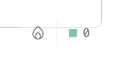
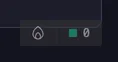
Type into an input inside a component, then edit that component’s template and save. The markup changes, what you typed stays, and the indicator pulses green. That is a hot patch: an edit applied to the running page without a reload.
If the page reloads instead, the edit hit a shape that cannot be patched in place. Limitations names each one.